Learn why hair texture changes with age and how to care for changing hair.
Have you ever looked at your old photographs and noticed that your hair does not look or feel the same anymore? Maybe your hair was thick and soft when you were younger, but now it feels finer, drier or more difficult to manage. You may also notice that your natural waves or curls have changed over time.
A hair texture change is quite common as we grow older. Hair can gradually become thinner, drier, less shiny or more prone to frizz and breakage. These changes usually happen slowly rather than overnight. Age, hormones, lifestyle, diet, weather, pollution and regular use of heat or chemical treatments can all affect the way hair looks and feels.
So, why does hair texture change with age? Understanding the reasons can help you choose better hair care and styling options for your current hair needs.
Why Does Hair Texture Change With Age?
Ageing naturally brings many changes to the body, and hair is no exception. As we get older, the hair may gradually become finer and lose some of its natural softness and moisture. New hair growth may also appear different from the hair you had in your younger years.
Hormonal changes are another important reason for changes in hair. Hormones can fluctuate during different stages of life, including puberty, pregnancy, after childbirth and menopause. These changes may affect hair growth and the way hair feels. Some people may notice increased dryness or frizz, while others may experience thinning or reduced volume.
The scalp can also produce less natural oil as we age. Natural oils help keep hair moisturised and smooth. When there is less oil, the hair may feel drier, particularly towards the ends. This can make hair that was once smooth and manageable feel rougher or more difficult to style.
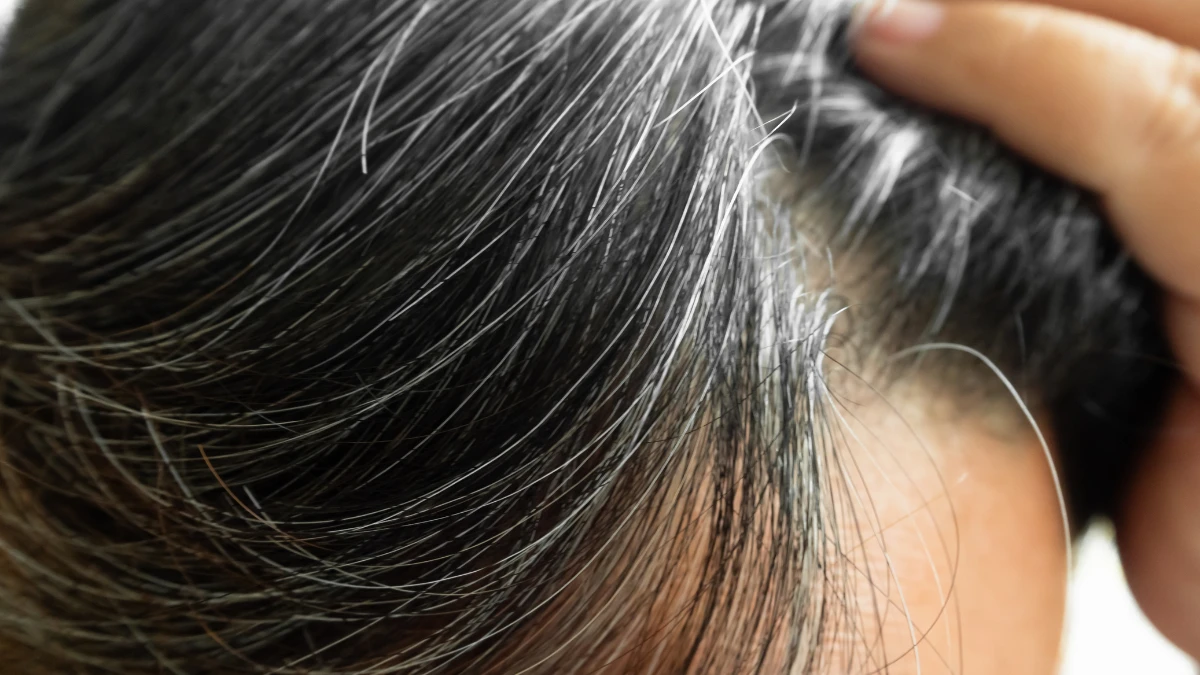
Hair colour can change with age as well. As natural pigment decreases and grey hair appears, the texture may sometimes feel different. Grey hair can appear coarser, drier or more unruly compared with the hair you had previously.
What Causes Hair Texture Change?
Age is only one reason for changing hair texture. Your daily habits and environment can also have a noticeable effect.
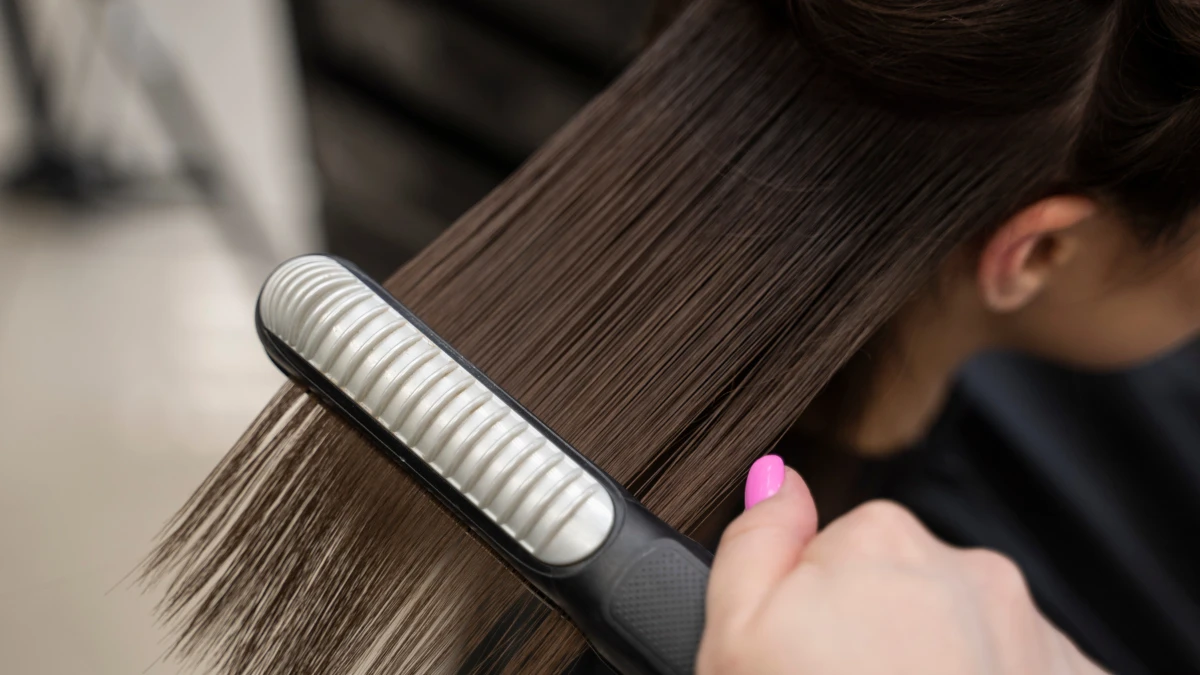
Heat styling: Regular use of straighteners, curling irons, blow dryers and other heated tools can make hair dry and weak over time, especially when used at high temperatures. Damaged hair may become rough, frizzy and more difficult to manage.
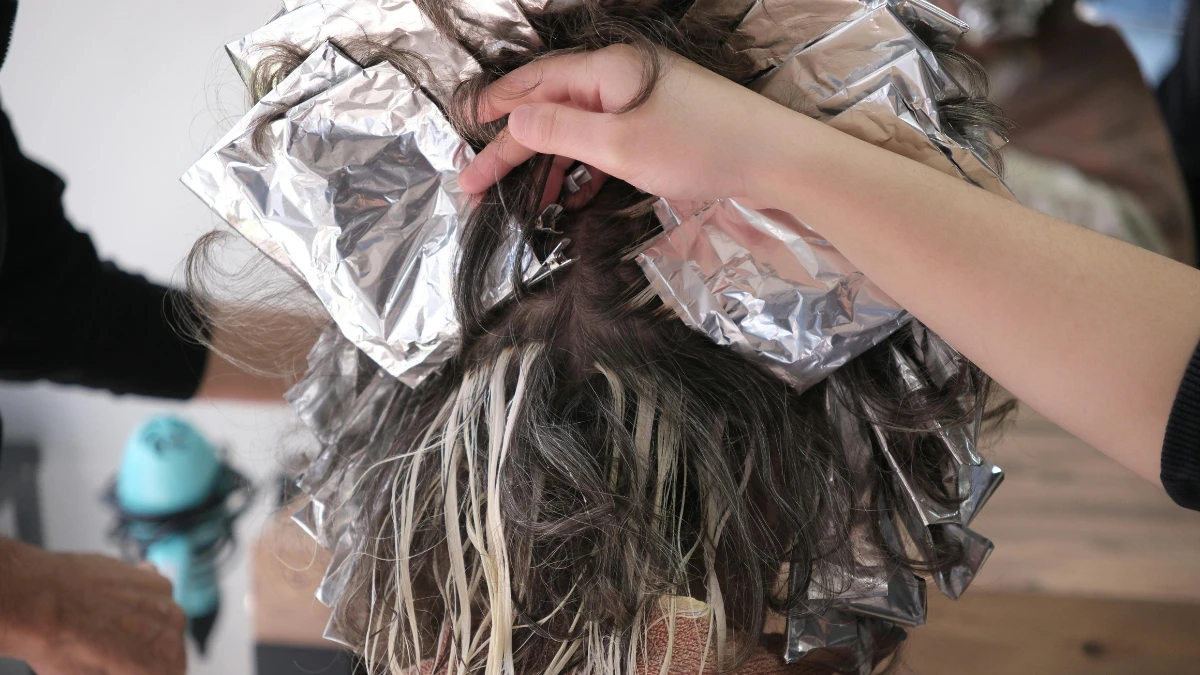
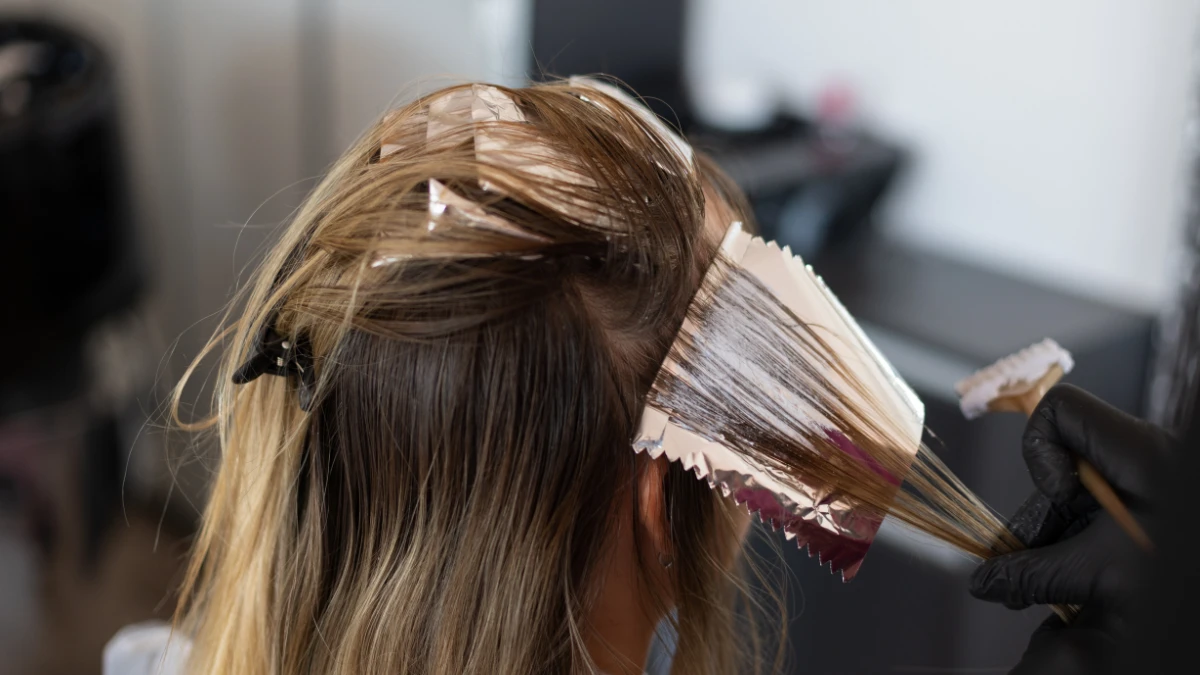
Chemical treatments: Coloring, bleaching, straightening, perming and other chemical services can change the condition of the hair. When these services are done too frequently or without proper care, the hair may lose moisture and become more prone to breakage.
Diet and lifestyle: Hair needs proper nutrition to maintain its strength and appearance. A balanced diet containing enough protein, vitamins and minerals supports healthy-looking hair. Poor eating habits, lack of sleep and major lifestyle changes may also affect the overall condition of your hair.
Pollution and weather: Dust, pollution, sun exposure, humidity and changing weather conditions can affect the appearance of your hair. Exposure to pollution can leave hair feeling dull or dirty, while humid weather can make some hair types more frizzy.
Hair care routine: Your hair care needs can change as you age. Products that worked well when you were younger may not always be suitable later. Washing your hair too frequently, using unsuitable products or skipping conditioning can contribute to dryness and roughness.
How to Change Hair Texture and Manage Changing Hair?
Many people search for how to change hair texture when their natural hair becomes difficult to manage. While your basic natural hair type cannot usually be permanently changed through regular home care, professional hair services can help you achieve a different appearance and make your hair easier to style.
For example, people dealing with frizz may consider professional smoothing services. Someone looking for more movement or volume may benefit from a suitable haircut and styling technique. Hair coloring and highlights can also change the overall appearance of your hair without changing its natural texture.
However, choosing a hair service should depend on your current hair condition and the result you want. It is better to discuss your hair with a trained professional before choosing a chemical or heat-based service.
A suitable haircut can make a significant difference too. The right cut can work with your natural texture rather than against it. Layers, for example, can add movement to some hair types, while a well-shaped haircut can make thick or wavy hair easier to manage.
Regular conditioning, nourishing hair care products and careful use of heat can also help improve the appearance of dry or damaged hair. If your hair texture has changed significantly, adjusting your routine according to its current needs can make everyday styling much easier.
Give Your Hair the Right Care at Every Age
Your hair does not have to look exactly the same throughout your life. A change in texture is often a natural part of growing older, and your hairstyle and hair care routine can change along with you.
Instead of trying to make your hair behave exactly as it did years ago, focus on understanding what it needs today. Whether your hair has become dry, thin, frizzy, wavy or simply harder to style, the right haircut, products and professional services can help you create a manageable and attractive look.
For aspiring hairstylists, understanding hair texture is equally important. Every client has different hair, and their texture can also change because of age, lifestyle, previous treatments and environmental exposure. A professional hairstylist needs to understand these differences before recommending a haircut, color or styling service.
At Mirrors Academy, Hyderabad, students can learn practical hairdressing skills including haircutting, styling, coloring and texture services. Understanding different hair types and learning how to work with different textures can help students build confidence and prepare for a professional career in the hair and beauty industry.
Whether you want to improve your own hair care routine or dream of becoming a professional hairstylist, understanding why hair texture changes with age is a useful starting point. With the right knowledge, regular care and professional guidance, you can work with your changing hair rather than fighting against it.
Frequently Asked Questions
1. Why does hair texture change with age?
Hair texture can change with age due to natural ageing, hormonal changes, reduced moisture, lifestyle, diet, environmental exposure and repeated heat or chemical treatments.
2. Can your hair texture change as you get older?
Yes. Hair can gradually become thinner, drier, frizzier or more difficult to manage as you age. Changes in hormones and natural oil production can also affect hair texture.
3. How to change hair texture naturally?
You cannot permanently change your natural hair texture through home care, but proper conditioning, a suitable haircut, balanced nutrition and the right hair care routine can improve its appearance and manageability.
4. Can hair treatments change your hair texture?
Yes. Professional services such as smoothing, straightening, coloring and other texture treatments can change how your hair looks and feels. The right treatment depends on your hair condition and desired result.
5. Can a professional hairstylist help with changing hair texture?
Yes. A trained hairstylist can assess your hair type and texture and recommend suitable haircuts, styling techniques and professional services for your needs.