
Explore the best haircuts for a receding hairline with expert tips from Mirrors Academy, Hyderabad.
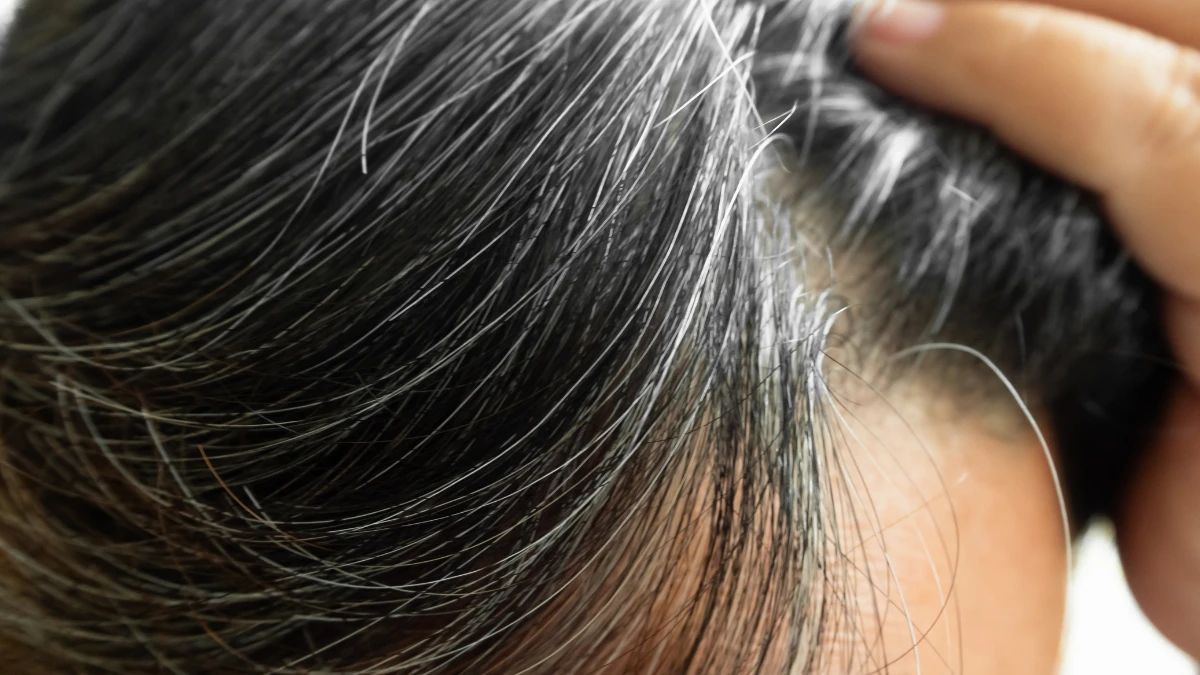
Noticing your hairline move back is something many men and women go through, and the first question is usually the same: what haircut will make it less obvious? The good news is that the right cut can do a lot. It can soften the corners, balance your forehead and help you feel confident again.
The wrong cut can do the opposite. A style that pulls hair across a bare patch or sits too heavy at the front can draw attention to exactly what you want to hide. That is why trained stylists always look at the hairline first, before they decide anything else. At Mirrors Academy in Hyderabad, this is one of the first things students learn to read in a client.
What a Haircut Can and Cannot Do for a Receding Hairline
Let us be honest from the start. A haircut can change how your hair looks, but it cannot grow new hair or bring a lower hairline back. What it can do is change the outline, the direction and the contrast of your hair, and that makes a bigger difference than most people expect.
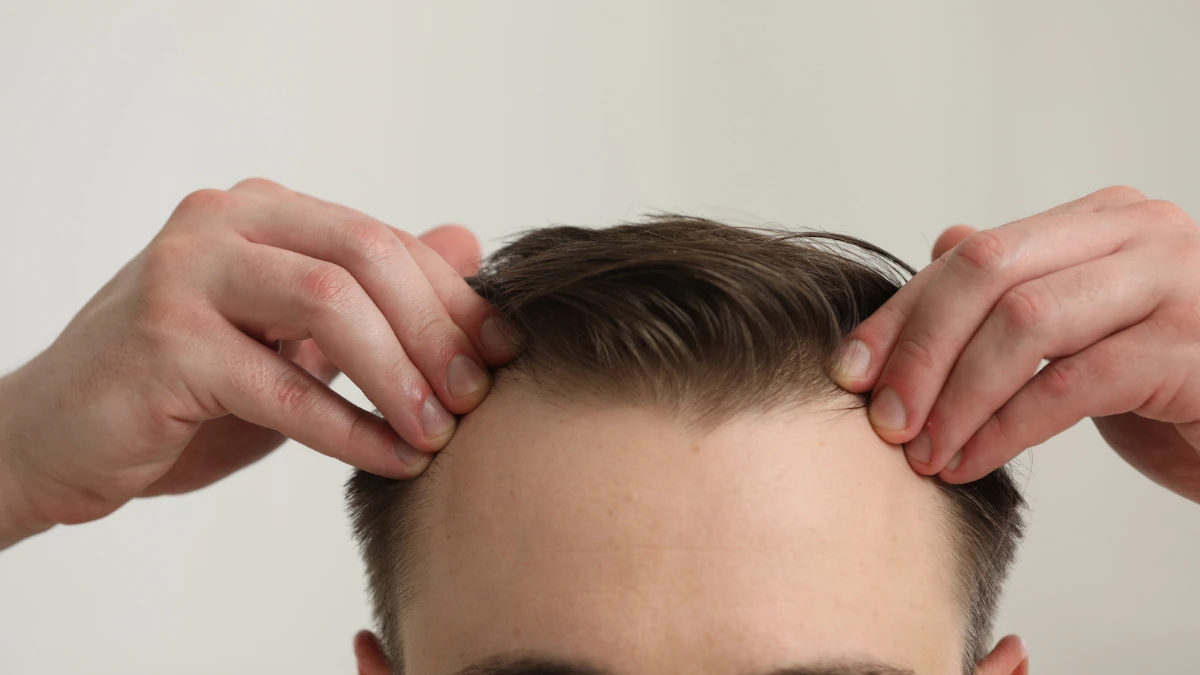
Every receding hairline is different. Some people have a little thinning at the temples while the centre stays thick. Others lose hair across the whole front, or have deep corners with a solid patch in the middle. This is why one celebrity haircut will never suit everyone. The best haircut for a receding hairline is the one chosen for your pattern, your hair type and your face.
Also remember that how full your hair looks depends on more than the number of strands. Thin, fine hairs cover less than thick ones. A good stylist works with the hair you have now, instead of stretching it over areas it cannot cover.
One more thing worth knowing: if your hairline is moving back quickly, or you notice pain, a scaly scalp, itching, eyebrow thinning or a pale patch of skin near the hairline, speak to a doctor. A haircut can only change how things look today, and a proper check can tell you what is really going on.
Best Haircuts for a Receding Hairline, Matched to Your Hairline
Start by looking at what your hair is doing right now, then choose a cut to match. Here are the most reliable options for men and women with a receding hairline.
- Textured crop (light temple recession, thick centre): Keep a little length on top, around three to five centimetres, and let it fall forward with a soft, broken fringe. A low taper on the sides keeps it neat. This works well when you still have enough front hair to reach the corners naturally.
- Short Caesar cut (deeper temples, solid centre): A short, soft fringe brushed slightly across, instead of a straight line, hides the corners without looking forced. Keep the edge uneven, not sharp.
- Crew cut (thinning across the whole front): A short crew cut reduces the difference between thick and thin areas, so thinning is far less noticeable. It is clean, easy to manage and suits most face shapes.
- Buzz cut (deep recession or larger bare areas): If the front has thinned a lot, a buzz cut is often the most confident choice. Start with a slightly longer setting, then go shorter if you like the result. Keep in mind that it shows off your head shape, so it is worth checking that you like it.
- Curly or coily hair with a good front section: A tapered crop with loose curls falling forward looks natural and full. Leave enough length for the curls to settle over the front, and remember that curly hair springs up once it dries, so it will look shorter than it did when wet.
- Longer hair with temple recession: A soft fringe or light, face-framing layers can work well. Use a loose side part and let the hair fall naturally, without pulling it tight.
If you are not sure which of these suits you, a trained stylist can look at your hairline, hair type and face shape together and suggest the right balance for you.
Small Details That Make a Big Difference
The name of the haircut matters less than the small details. Two people can ask for the same cut and walk out looking completely different, so it helps to know what to ask for and what to avoid.
Go easy on thinning scissors. Many people think “texture” means removing hair. On a thin front, that only makes things worse. Ask your stylist to add movement by cutting small, uneven pieces at the edge, which softens the line while keeping as much hair as possible.
Choose your styling product carefully. Heavy, shiny products clump the hair together and show more of the scalp. A small amount of light, matte product keeps strands separate and makes hair look fuller.
Think twice about a very sharp fade. A high, skin-close fade can look stylish, but it can leave a thin top looking isolated. A low or medium taper blends more softly. If you love the fade look, ask to see the front and both sides before the top is cut shorter.
Skip the long comb-over. Of all the ways to hide a receding hairline, this is the least dependable. It relies on one section of hair staying in place all day, and the moment wind, sweat or rain moves it, the gap becomes more obvious than before.
Be kind to your hairline. Avoid pulling fragile front and temple hair into tight ponytails, tight braids or glued-on extensions. If the style stings, feels sore or leaves small bumps, loosen it. A good hairstyle should sit comfortably and fall into place on its own.
How to Explain Your Hairline to Your Stylist, and Learn the Craft at Mirrors Academy
Many people walk into a salon and simply say, “Something short.” Instead, try describing what your hair actually does. A clear brief helps your stylist understand your hairline and avoids a haircut you regret.
You can cover four simple points:
- Your pattern: Are your temples shallow or deep? Is the centre front thick or thin? Is the crown full?
- Your goal: For example, “I want to soften the corners without laying one long section across my forehead.”
- The cut: Mention the length on top, the direction of the fringe and how high you want the taper.
- What to avoid: Say if you do not want thinning scissors, a hard parting or daily blow-drying.
A good example might sound like this: “My temples are deep but the centre is thick. Please keep the front a little longer, cut it in a soft, uneven way and brush it forward. Use a low taper on the sides, and please do not use thinning scissors on the front.”
Bring a photo of someone whose hair is similar to yours in thickness and type. A picture of a celebrity with much thicker hair is not a fair guide. Ask your stylist to cut the front longer first, because you can always take off a little more, but you cannot put it back. Check the finished cut once it is dry, from the front, from both sides and from above, and see if it still looks natural without you arranging every strand.
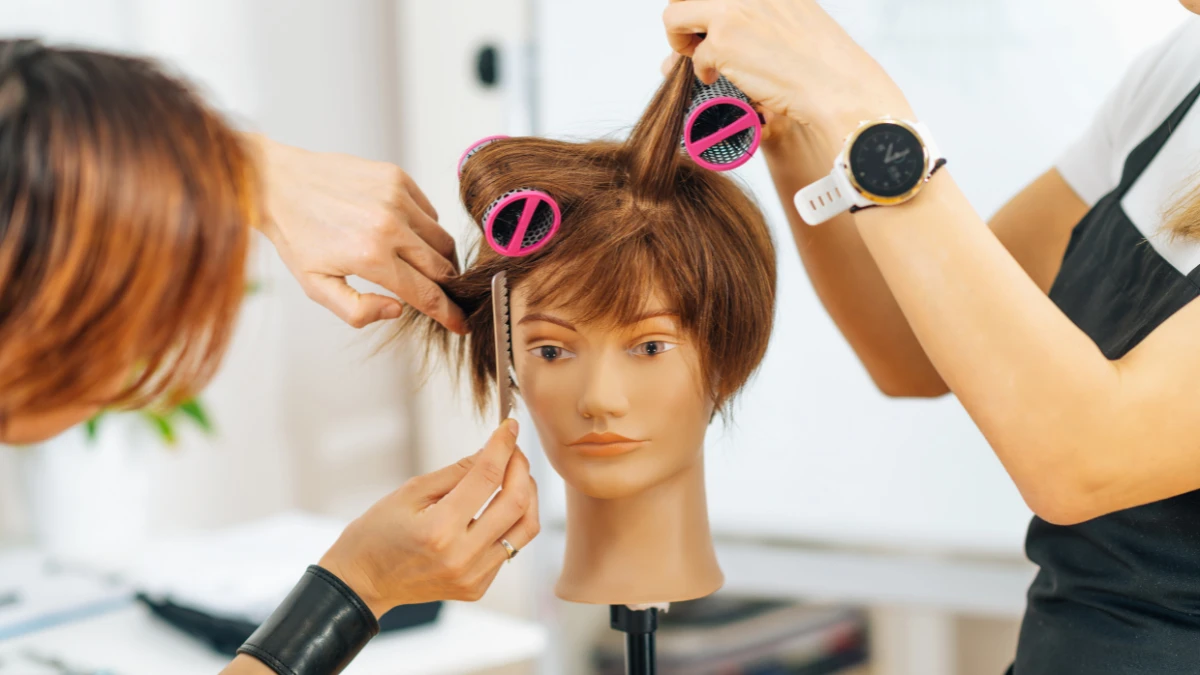
Giving this kind of advice takes real skill. It means reading a hairline, understanding hair type and knowing how a cut will behave all day. If you dream of becoming that kind of stylist, a good hairdressing course in Hyderabad can set you on the right path. At Mirrors Academy (https://www.mirrorsacademy.in/), our professional hair styling courses give students hands-on practice with real clients, so they learn how to choose cuts that flatter every hairline, face and hair type.
Whether you want to work in a luxury salon or open a studio of your own, the right training makes all the difference. Visit Mirrors Academy in Hyderabad and take the first step towards a creative, rewarding career in hairstyling.
Frequently Asked Questions
1. Can a haircut really hide a receding hairline?
Yes, it can soften the look of it by changing the outline and direction of your hair. It cannot grow new hair or stop hair loss.
2. What is the best haircut for a receding hairline?
It depends on your pattern. A textured crop suits light recession, a Caesar cut suits deeper temples, and a crew cut or buzz cut works well when the front has thinned a lot.
3. Should I avoid a comb-over?
Yes. It depends on one section of hair staying in place all day, and once it moves, the gap looks more obvious.
4. How do I explain my hairline to my stylist?
Describe what your hair does, such as deep temples or a thick centre, and say what you want to avoid, like thinning scissors. A trained stylist, like those taught at Mirrors Academy, will know how to work with it.
5. Where can I learn professional hairstyling in Hyderabad?
Mirrors Academy offers hands-on hair styling courses in Hyderabad. Visit https://www.mirrorsacademy.in/ to know more.