
The right haircut starts with understanding the face, the head and the hair.
Every hairstylist has faced this moment. A client walks in with a photo of their favourite celebrity's haircut and says, "I want exactly this." The cut is beautiful, but on the person sitting in your chair, it may not look the same at all. That is not a mistake in the cutting. It is simply because no two people look alike.
A great haircut is never just about scissors and technique. It is about understanding the person who will wear it. That is why anyone who wants to build a career in hairstyling needs to learn about face shape, head shape and hair thickness before they ever pick up a comb. At Mirrors Academy in Hyderabad, this is one of the first lessons we teach, because it is what separates a good stylist from a trusted one.
Why Face Shape Matters in a Haircut
Face shape is the first thing a professional stylist notices, and for good reason. A haircut frames the face the way a picture frame surrounds a photograph. The right frame brings out the best features. The wrong one pulls attention to the wrong places.
Here is how the four most common face shapes are usually styled:
- Heart-shaped face: This is one of the easiest shapes to style and suits most haircuts. Side-swept bangs show off high cheekbones beautifully, while blunt bangs and very choppy layers can draw too much attention to the chin.
- Round face: Very short cuts, blunt bangs and chin-length styles can make the face look wider. Side parts, side-swept bangs and asymmetrical cuts add shape and help the face look longer.
- Oval face: Short, medium or long, almost everything works here, from a classic bob to a centre part. The only thing to watch is very long, straight hair or short layers, which can make the face look even longer.
- Square face: A strong jawline looks best when softened. Curls, waves, soft layers and textured bangs do this well, while one-length bobs and blunt bangs tend to highlight the forehead and chin.
Knowing these simple guidelines helps a stylist suggest the best haircut for each face shape, with confidence. It also helps clients trust your advice, because you can explain exactly why a style will or will not work for them.
Head Shape: The Part Many Beginners Miss
While face shape is about the front view, head shape is about the whole picture. It decides how a haircut sits, moves and falls once it leaves the comb. The natural curve of the skull, the way hair grows at the crown and the shape of the back of the head all change the final result.
For example, someone with a flat back of the head may need a little extra shape built into the cut, so the hair does not look flat from behind. Someone with a prominent crown needs careful layering, otherwise the hair may lift in places where the client does not want volume. A person with a strong jawline needs the length and weight of the cut placed thoughtfully so the angles look softer, not sharper.
Head shape also guides the overall look. Rounder heads often look best with lines that add length, such as longer layers. Longer head shapes usually benefit from a little width, which can come from soft layers or a fuller outline. These small decisions are what make a haircut feel made for one person, instead of copied from a picture.
Hair Thickness: The Third Piece of the Puzzle
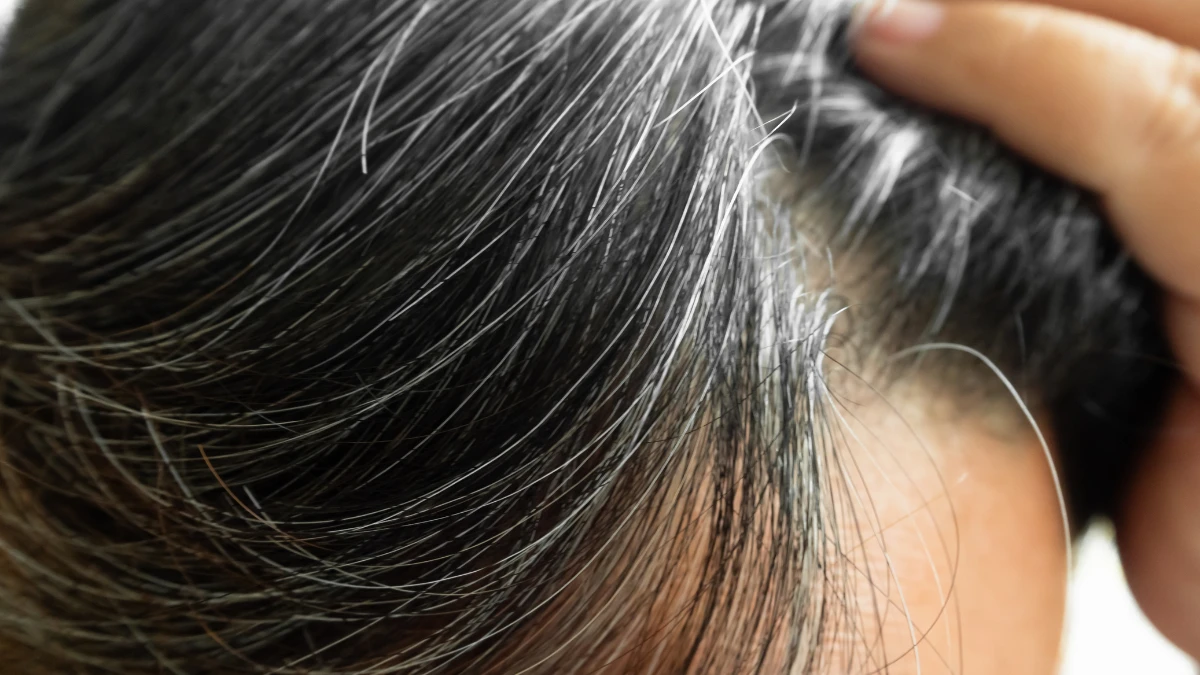
Face shape and head shape are only part of the story. How thick or thin the hair is matters just as much, and in some cases it matters even more.
Thick hair holds weight and volume easily. If it is cut without removing some bulk, it can puff out or turn triangular, no matter how perfect the face shape is. A thick bob with no weight taken out will often balloon outward. Thin hair, on the other hand, loses shape quickly. Too many layers or too much thinning can leave the ends looking see-through, and fine hair over-layered at the crown can fall flat even on a well-proportioned head.
So which one comes first? Professional stylists follow a simple idea:
- When the hair is very thick or very thin: Thickness leads. The stylist first decides how much weight to remove or keep.
- When the hair is somewhere in the middle: Head shape and face shape take the lead, and the stylist decides what the haircut should highlight or soften.
A simple way to remember it: hair thickness is the material, and the head is the canvas. A good artist respects both.
How Trained Stylists Turn This Into a Great Client Experience
Clients rarely talk about head shape or hair thickness. They just want to look and feel good. A well-trained stylist knows how to explain things in plain, friendly words. For instance:
"Because your hair is thicker here, I'll take out a little weight so it falls naturally. And since the back of your head is a bit flatter, I'll add some shape there for balance."
A client who hears this feels understood and cared for. They are far more likely to come back, recommend you to friends and trust you with bigger changes later. This kind of communication is as important as cutting skill, and it is something that comes with proper hairstyling training and hands-on practice.
It also helps when a client arrives with a celebrity photo. Instead of saying no, a skilled stylist can say, "I love this look. Let me adjust it a little so it suits your face and your hair even better." That one sentence turns a possible disappointment into a happy, loyal client.
Learn the Craft the Right Way at Mirrors Academy, Hyderabad
Knowing which haircut suits which face is not something you pick up overnight. It comes from learning the basics well, practising on real clients and getting guidance from experienced professionals. If you are looking for a hairdressing course in Hyderabad, look for a hair academy that teaches you to think like a stylist, not just to copy a cut.
At Mirrors Academy (https://www.mirrorsacademy.in/), our professional hair styling courses help students understand face shapes, head shapes and hair thickness, so they can create looks that truly suit every client. Whether you dream of working in a luxury salon, building your own studio or becoming a sought-after hair artist, the right training gives you a strong start.
Every client who sits in your chair is different, and that is what makes this career exciting. Learn to read the face, the head and the hair, and you will create haircuts that look polished, feel personal and stay beautiful long after the client leaves the salon.
Ready to begin your journey as a professional hairstylist? Visit Mirrors Academy in Hyderabad and take the first step towards a creative, rewarding career.
Frequently Asked Questions
1. Why do hairstylists study both face shape and head shape?
Face shape shows how a haircut frames the features, and head shape decides how it sits from every angle. Mirrors Academy teaches both.
2. Why does a celebrity haircut look different on me?
Everyone has a different face shape, head shape and hair thickness, so a trained stylist adjusts the look to suit you.
3. Which haircut suits a round face?
Side-swept bangs, side parts and asymmetrical cuts, as they make the face look longer.
4. Does hair thickness matter when choosing a haircut?
Yes. Thick hair needs weight removed, and thin hair needs its fullness kept.
5. Where can I learn professional hairstyling in Hyderabad?
Mirrors Academy offers hands-on hair styling courses in Hyderabad. Visit the website to know more.